

Historical awareness shapes how we see today and influences the way we act tomorrow. When we connect with history, both our own and that of the world around us, our decisions gain new depth. We become more present, more aware of the roots beneath our feet and the stories that fill the air we breathe.
But how do we make history part of daily life? Based on our experience, there are simple but meaningful ways to keep the past close so it can help us in the present. Here are six practical ways to bring historical awareness into everyday routines.
1. Start the day with a historical reflection
Each day begins with a choice. We can step into routine, or we can pause for a moment of reflection. We believe morning is a powerful time to set the tone, not just for goals or tasks, but for perspective.
“Every morning is a doorway to the past and to possibility.”
Choose a small act to anchor your day in history:
- Open a book at random and read a short quote from a historical figure.
- Reflect on a specific date and ask, “What happened today in history?”
- Look at a family artifact, an old letter, or a photograph and notice what it recalls.
Starting with something concrete keeps us grounded in the flow of time and reminds us that our actions today will soon join the story of tomorrow.
2. Make mindful use of public spaces
The places we visit every day hold layers of stories. In our experience, noticing these stories can change how we see even the most familiar streets, parks, or buildings. We often pass through spaces shaped by the people before us, each leaving subtle marks.
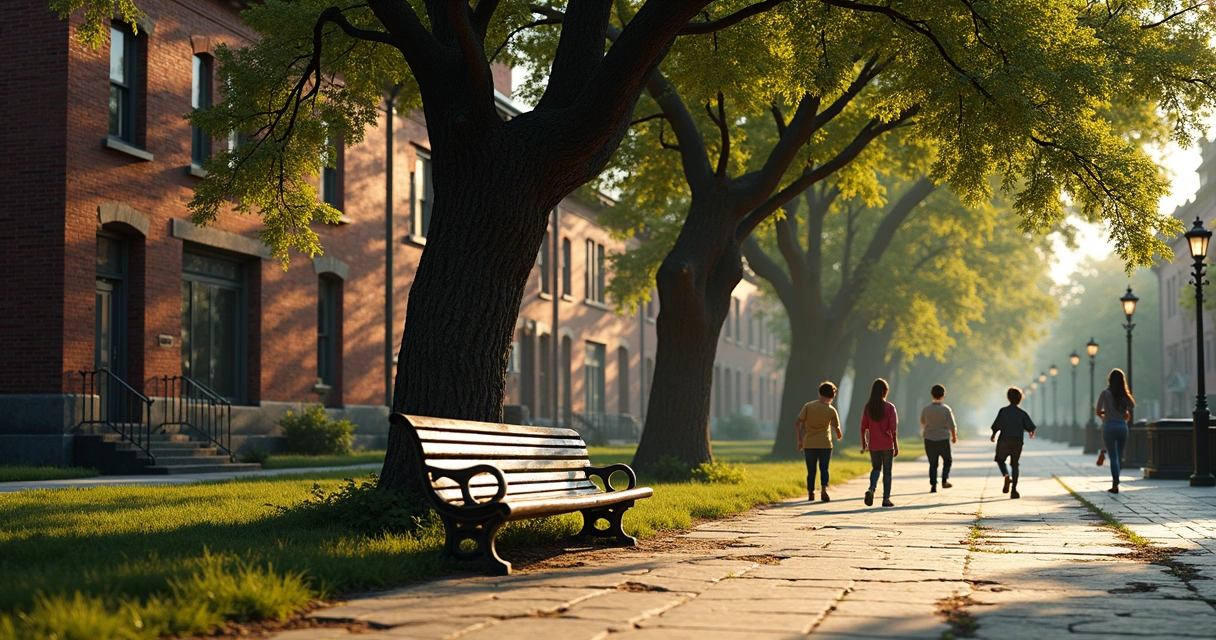
To foster awareness in public places:
- Spend a few minutes reading a commemorative plaque or monument inscription.
- Research the story of your local street name or neighborhood.
- Pause and picture how the spot looked in another era and who might have stood there.
Public spaces are living museums, constantly adding stories while holding onto the past.
3. Relate current events to the past
We believe headlines reach deeper when paired with historical context. When we listen to the news or read about world events, we can ask: How did we get here? Has something similar happened before?
Connecting events to history opens up patterns and lessons that might otherwise stay hidden. It is not about looking for exact repeats, but for learning to recognize rhythms and echoes in human behavior.
- After hearing about a political event, wonder what steps led up to it.
- Relate economic shifts to those of past decades or centuries.
- Think about how social movements today connect with older grassroots actions.
Asking “What does this remind us of?” turns the news into an ongoing classroom.
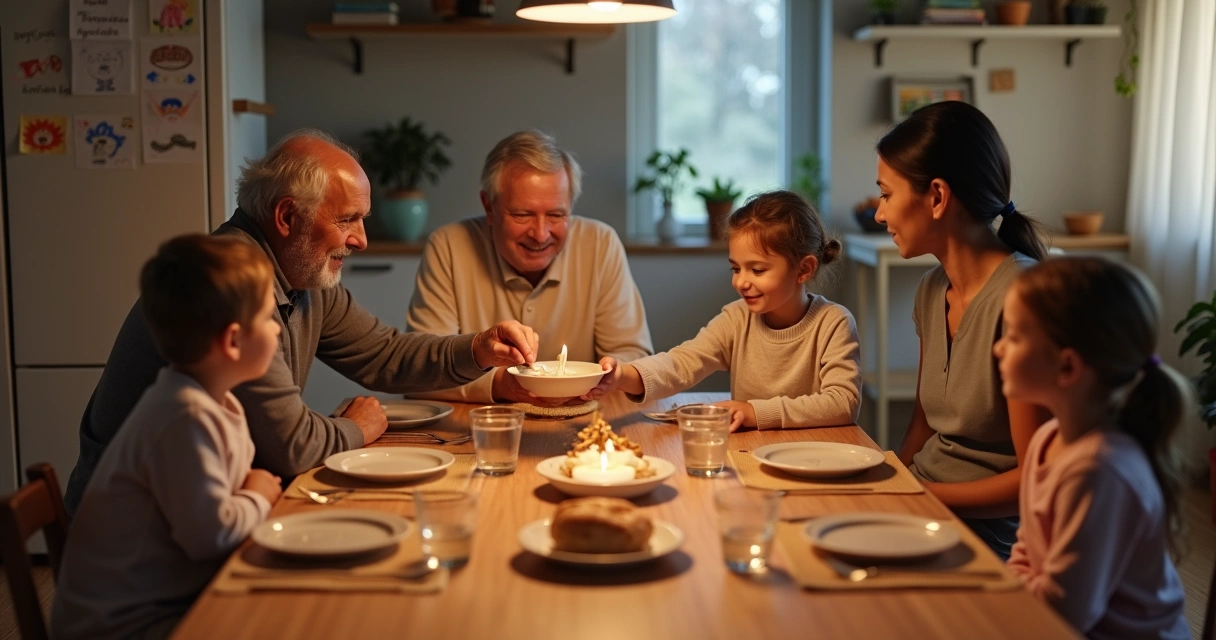
4. Practice intergenerational conversations
Stories are living bridges. In our experience, talking with people of different ages brings out perspectives that often disappear in textbooks, helping us see how big events touched real lives.
Look for chances to ask or share stories, whether with family or people in your community. These conversations deepen our sense of who we are and where we come from.
- Ask an older relative about a moment in their childhood that shaped them.
- Share a local story with someone younger and hear their thoughts.
- Invite colleagues or neighbors to recall “the way things used to be.”
“Every family carries a library of unwritten history.”
Personal memory brings distant eras to life and shows us that history is never far away.
5. Keep a historical journal
History isn’t always in the news or in archives. Much of it happens quietly in our homes and workplaces. By writing regularly, we build a record that lets us see how ideas and emotions move through time.
We suggest setting aside a few moments each week to reflect in a simple historical journal. This does not need to be complex. Even a quick note can capture something remarkable: what felt different today, how the world outside shifted, or what personal realizations took root.
- Write about changes in your community, big or small.
- Reflect on personal turning points that may hold lessons for others.
- Clip a newspaper headline or print a photo to glue beside your thoughts.
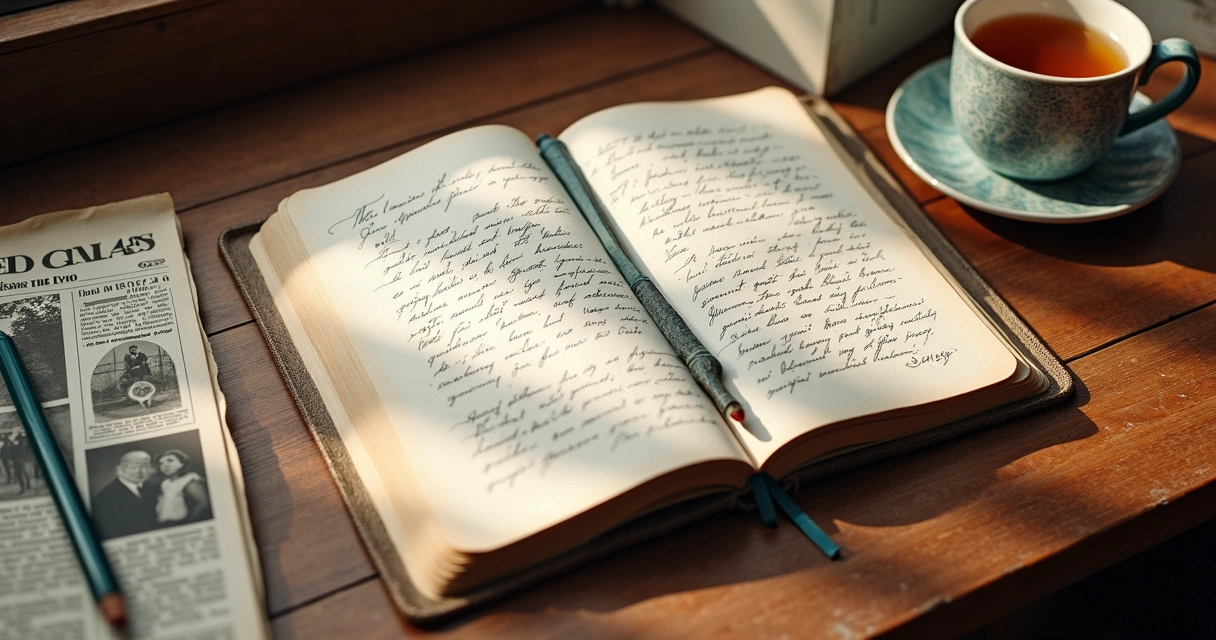
Over time, these short entries become a window into the passage of days, and into the way even ordinary life is part of something bigger.
6. Engage with diverse historical sources
Our understanding of the past grows as we see it from more viewpoints. Different cultures, periods, and groups each tell their own stories. Relying on a single source closes doors, but seeking out variety widens our world.
- Explore books, podcasts, or documentaries from different regions and perspectives.
- Read material from authors of backgrounds different than your own.
- Visit cultural centers or exhibitions when possible, or look for virtual tours.
History reveals more when we listen to many voices, not just the loudest or most familiar ones.
Conclusion: Awareness is a daily habit
We have learned that building historical awareness is not about memorizing dates. It is about staying connected to the world’s ongoing story and noticing the invisible threads that link people, places, and events. The six habits above are simple, but each has the power to change the way we see today, and to help us move into tomorrow with more understanding.
When we practice these habits, history does not remain in books or museums, it lives in our choices, our conversations, and our perspective on every challenge and opportunity we face. With awareness, we shape not only our own story, but also the broader story of the world around us.
Frequently asked questions
What is historical awareness?
Historical awareness is the ability to recognize how past events, decisions, and experiences influence current realities and future possibilities. It means being mindful of history’s presence in daily life and understanding that our actions are part of a larger, continuous narrative.
How can I foster historical awareness daily?
In our experience, small daily habits work best. Reflect on historical events in the morning, notice the stories in your surroundings, connect current events to past ones, talk to people from different generations, keep a journal noting changes and memories, and learn from a wide range of historical sources. These practices help history become an active part of your life.
Is it worth it to learn history every day?
Learning history every day makes us more thoughtful, informed, and empathetic. It helps us understand current issues, make better decisions, and appreciate the diversity of human experience. Even brief daily engagement can have a lasting effect on our minds and hearts.
Where to find good historical resources?
Good historical resources can be found in public libraries, reputable museums, academic publications, documentaries, podcasts, and cultural centers. Many cities offer walking tours or exhibitions. Online, you can visit educational archives and virtual museums. We think it's valuable to use a mix of sources to get a fuller picture.
What are the best ways to teach history?
The best ways to teach history are through stories, discussion, and critical thinking. Sharing personal memories or local stories helps make history real. Encouraging questions, comparing different views, and connecting lessons to present events keeps history alive for learners of all ages.