
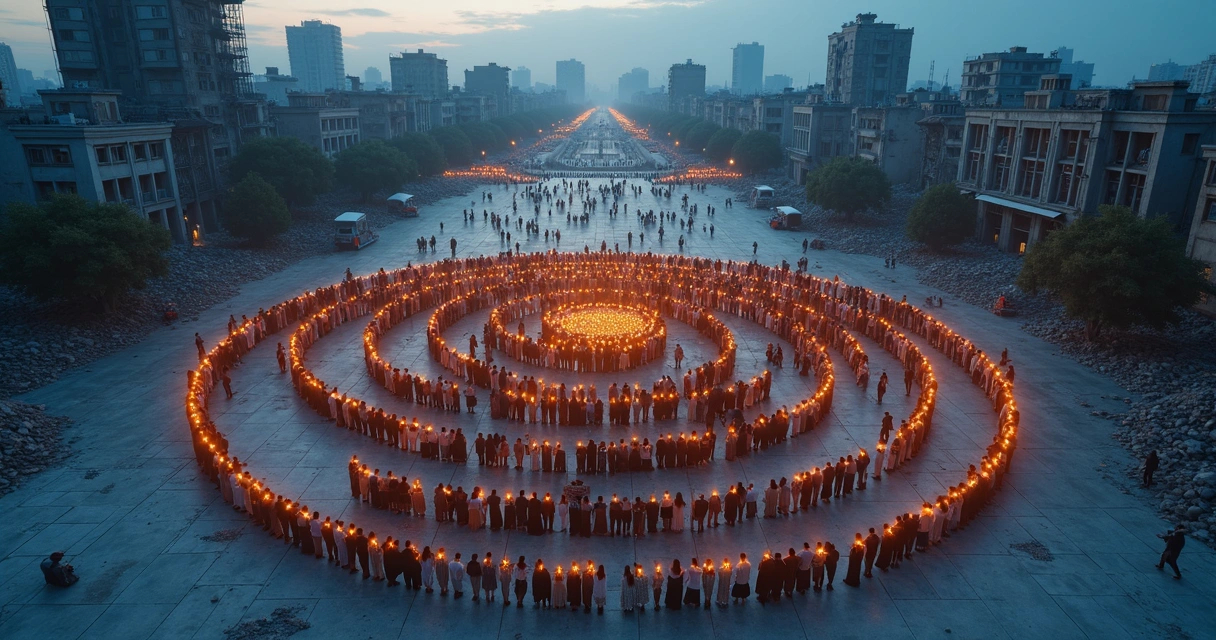
When violence stops and silence returns to streets once filled with unrest, the true work of recovery begins. History shows that a broken peace can be as uncertain as open conflict. Without deliberate steps toward repair, wounds persist under the surface, breaking open old divisions. We have witnessed societies that secured peace on paper yet fell back into crisis, illustrating that healing is more than the absence of conflict.
Civilizational healing requires active practices that bring divided communities back to recognition, restitution, and renewal. In our experience, three collective rituals stand out for their capacity to rebuild trust, restore human bonds, and cultivate the deep emotional maturity essential for lasting peace.
Why rituals matter after conflict
In societies emerging from conflict, statistics confirm the fragility of new beginnings. Countries exiting violent periods face a high risk of relapse—about 20% revert into violence within a year, and 40% within five years, due to unresolved grievances and weak institutions, as research summarized by a policy institute illustrates (policy institute summary).
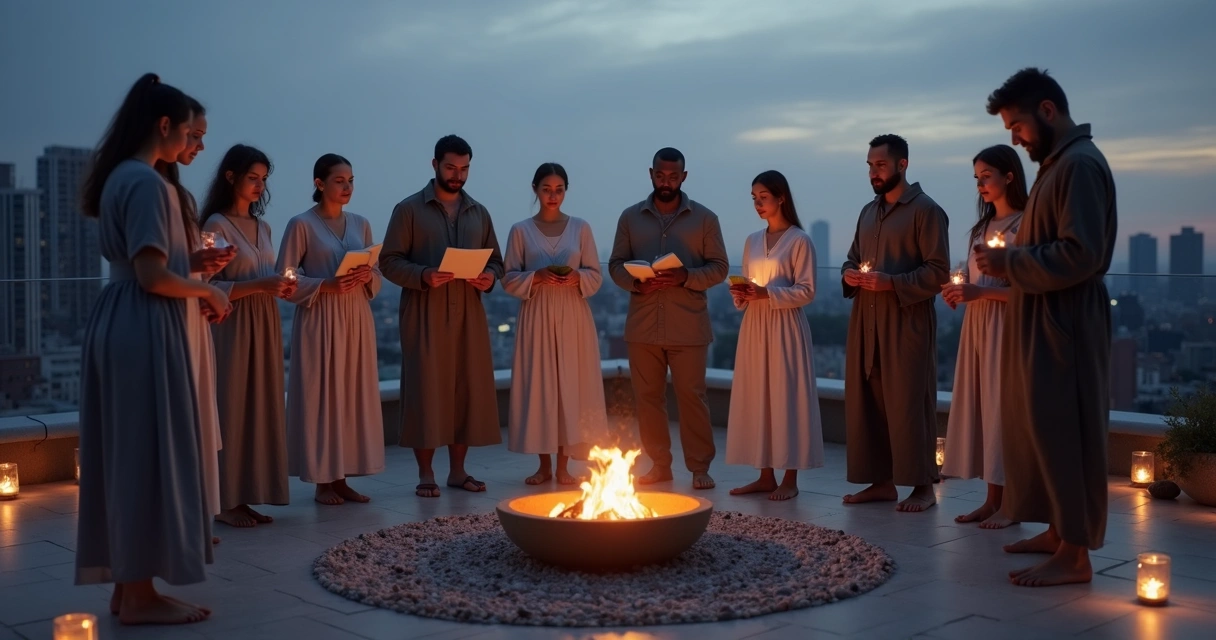
Rituals, in this context, serve as intentional spaces for collective reflection and repair. They mark transitions, giving shape to new social agreements and providing anchors for individuals to reconnect as human beings, not just adversaries or victims.
"Rituals carry the unspoken message: we will not go back to what we were before."
We have observed firsthand how thoughtfully designed rituals help communities name the pain, acknowledge loss, and begin to imagine futures together. Let us detail the three rituals that, when approached with sincerity, offer paths toward genuine civilizational recovery.
1. The ritual of witnessing
What happened must be seen, not hidden. The ritual of witnessing creates a shared space where the stories of conflict—the losses, the betrayals, the survival—are spoken aloud in each other’s presence. We have seen how testimony, when offered with respect and received without interruption, becomes more than recounting trauma. It is an act of rehumanization, for both speaker and listener.
- Victims have their loss acknowledged, breaking the silence that isolates pain.
- Perpetrators may find themselves confronted with the real impact of their actions—sometimes for the first time.
- The wider community attains a clear memory, preventing future rewriting or denial.
Strong examples come from truth commissions, community circles, or remembrance days. But what matters most is the intention: everyone present enters with the wish to see and be seen. There is no shortcut to this process.
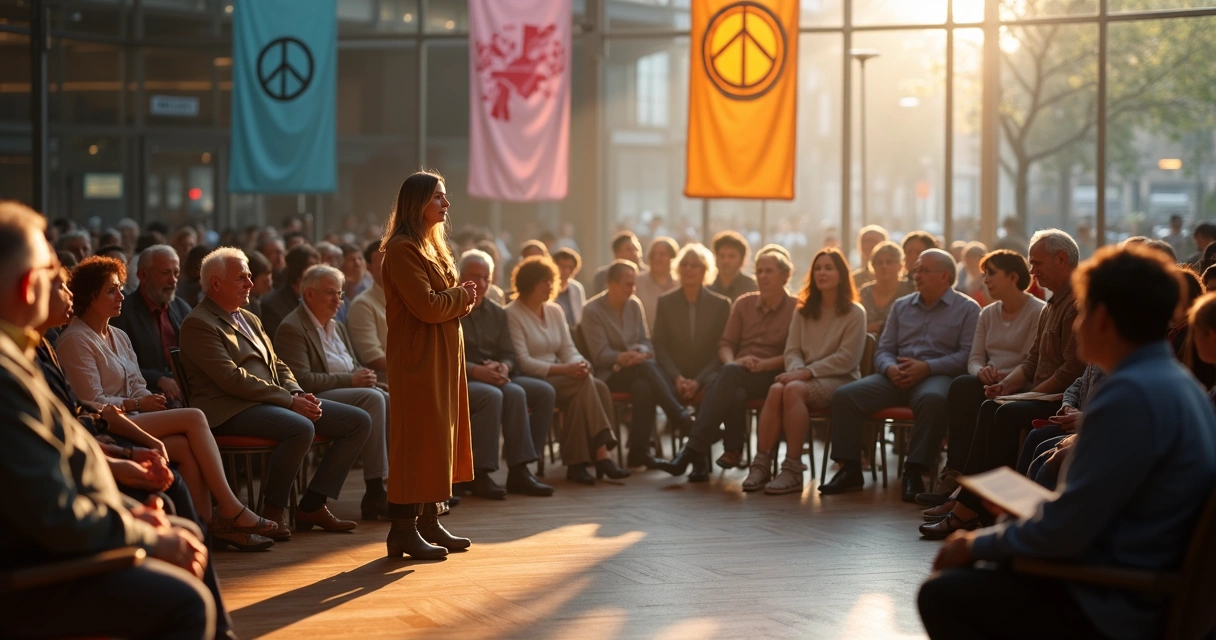
In our opinion, this ritual forms the ground from which all other forms of healing can arise. It is the space in which denial fades and reality becomes shared.
2. The ritual of restitution
Healing after conflict is not possible without some form of restitution—tangible or symbolic measures aimed at restoring what was harmed. In post-conflict societies, this may look like return of property, official apologies, or the rebuilding of destroyed homes and infrastructure.
Such acts do more than compensate for material loss; they signal a change in relationships. When society commits to restitution, it acknowledges the injustice and takes public responsibility for repair.
- Land or property is returned to those forcibly displaced.
- Institutions admit their failures through clear apologies or policy reforms.
- Memorials or markers are raised at sites of trauma to make loss visible.
Research has shown that even when resources are limited, the act of restitution—however symbolic—restores a sense of justice and begins to reweave a torn social fabric.
"Restitution tells both the injured and the community: your suffering is real, and you are not alone."
We suggest framing restitution as a public, participatory ritual, so that its effects ripple beyond individuals to touch the ethos of the entire community.
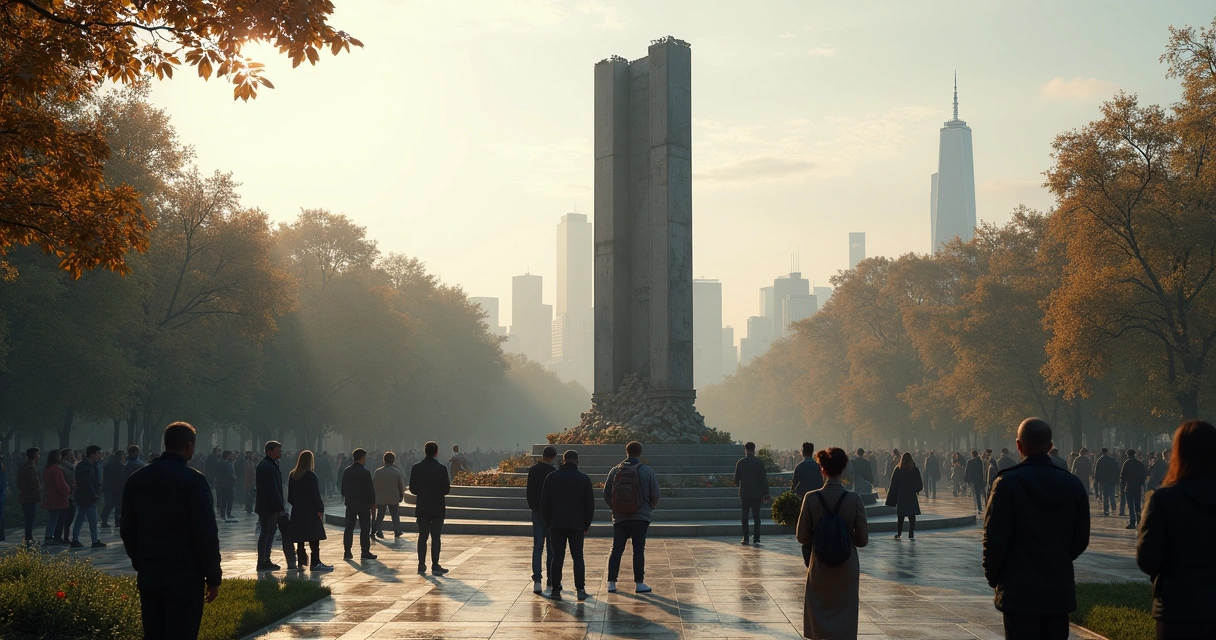
3. The ritual of renewal
Once truth has been witnessed and restitution begun, societies need an active ritual for renewal. We have found that this ritual marks the deliberate crossing into a shared future. It asks: What new commitments will guide us from this day on?
Renewal rituals might involve public pledges, the planting of trees, collective art projects, or agreements to collaborate on rebuilding. The key is co-creation—every participant has a voice in shaping what comes next.
- Community members write or recite new codes of conduct.
- Children participate in symbolic acts like planting seeds for peace.
- Civic leaders and citizens alike pledge to protect the dignity of all people.
According to a UNU-WIDER study, when conflict ends and collective actions like these take hold, there is a boost in economic activity—about 5.5%—though maintaining this progress requires ongoing renewal efforts (UNU-WIDER study).
"We choose a future that is built together, not in the shadow of our pain."
In our opinion, renewal rituals empower people to imagine new patterns of living and relating. They embed changed values into daily life, sealing the transformation that began with witnessing and restitution.
Rituals, resilience, and sustainable recovery
While rituals may sound symbolic, research consistently shows that collective healing and the return to normal life depend on local agency and shared responsibility. The resilience of smallholder farmers in countries like Cambodia and Mozambique demonstrates that local actors can spark an economic and emotional rebound following peace, as documented by research on farming after conflict.
When societies give space to collective healing rituals, they tap into this same resilience—not just to restore what was lost, but to invent new social and economic possibilities.
Conclusion
True civilizational recovery does not mean returning to the way things were. It means forming a society where pain is seen, justice is publicly sought, and the future is consciously rebuilt. The three rituals of witnessing, restitution, and renewal offer pathways for individuals and communities to move through the aftermath of conflict with dignity and hope.
We have learned through close involvement with post-conflict communities that these rituals ask us to show up again for each other. Not only to remember, but to make something different—something more mature—out of what has hurt us most.
Frequently asked questions about civilizational recovery rituals
What are the three healing rituals?
The three healing rituals are witnessing (sharing and hearing stories of loss and conflict), restitution (acts of repair and acknowledgment such as apologies, returns, or rebuilding), and renewal (collective activities that symbolize commitment to new beginnings and ethical coexistence).
How do rituals help after conflict?
Rituals provide safe and structured spaces for communities to recognize suffering, take responsibility, and set new intentions. They help heal divisions, prevent denial, and reinforce the emotional foundations needed for a peaceful future.
Who can lead these healing rituals?
Rituals can be led by respected community members, elders, religious leaders, facilitators trained in mediation, or local authorities. The ideal leader is someone trusted by all parties and capable of fostering a sense of security and inclusion for all participants.
Where to learn more about these rituals?
To learn more, it helps to read studies on transitional justice, reconciliation processes, and post-conflict community rebuilding. Exploring research like the policy institute summary or the study on farming after conflict provides useful starting points.
Are these rituals effective for communities?
When carried out with genuine participation and care, these rituals have helped many communities move beyond past divisions, reduce the risk of renewed violence, and strengthen bonds needed for long-term peace. Their effectiveness depends on the willingness of individuals and institutions to engage honestly and consistently.