


Family stories run deeper than we notice. Sometimes, what we call “personality traits,” “bad luck,” or “old habits” are actually echoes of experiences that happened long before us. At home, these echoes can shape how we interact, respond, and even love.
Understanding and recognizing transgenerational trauma in our own living spaces offers a powerful first step toward change and healing.
What is transgenerational trauma?
Transgenerational trauma—sometimes called intergenerational trauma—refers to patterns of stress, pain, or dysfunction that are inherited across generations. These are not only genetic but are learned, observed, and unconsciously repeated in families. Think of trauma as a story told not just in words, but in silences, reactions, and day-to-day routines.
History lives in how we love, how we fear, and how we hope.
We have seen that traumatic events such as wars, displacement, sudden loss, or chronic neglect can leave marks not just on individuals, but on entire family systems. Over time, coping strategies can become ingrained as “the way things are.”
How trauma hides in family patterns
Trauma does not always show itself as obvious pain. At home, it can hide in persistent family difficulties, relationship issues, or even physical habits. Here are some ways transgenerational trauma patterns can appear:
- Repeated conflicts with no clear cause
- Unexplained fears or anxieties
- The same destructive choices throughout generations
- Substance abuse or self-sabotage patterns
- Excessive silence or secrets surrounding family history
- Lack of emotional closeness or frequent withdrawal
Our research shows it is not always about what happened, but about how an event or loss was processed (or not processed). Families might repeat the same dramas, or avoid certain conversations, for decades.
Key signs of transgenerational trauma at home
What does it look like when trauma passes from one generation to the next? While every family is unique, several signs appear frequently when we listen carefully.
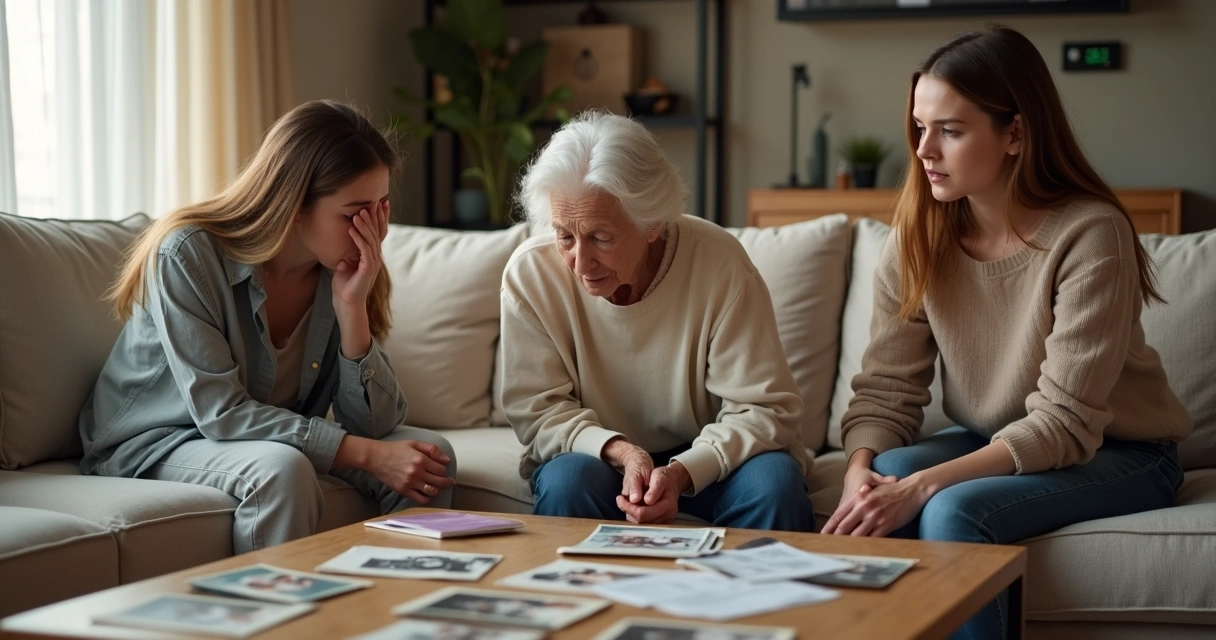
- Repeated life struggles: If similar hardships, like financial problems, relationship breakdowns, or illnesses, touch family members across generations, trauma may be involved.
- Avoidance or taboo: There are “no-go” subjects at home—stories left untold, pictures never displayed, or family members rarely spoken of.
- Emotional distance: Family members are polite, yet disconnected. Emotional fear feels normal, and affection or vulnerability is rare.
- Hypervigilance and fear: Small triggers cause big reactions. Children may learn not to “upset” parents, and adults are ready for something to go wrong.
- Rigid rules: “That’s just how we do things” becomes a rule, often without explanation.
- Unspoken loyalties: Pressure exists to repeat lifestyles, jobs, or choices, even if they hurt.
Blockages in communication, or emotions that do not “fit” the here-and-now, might be inherited. Patterns like these do not develop overnight; they are often crafted over time by unspoken agreements to protect the family from pain.
Ways to notice trauma patterns in daily life
We find that breaking cycles begins with seeing them clearly. Here are some approaches that help make hidden trauma visible in the fabric of daily life:
- Observe reactions: When anger, sadness, or fear feels larger than the moment, ask if the reaction matches what triggered it.
- Notice what is not talked about: If certain stories, dates, or people bring discomfort and silence, dig gently beneath the surface.
- Pay attention to recurring dreams: Both children and adults sometimes have dreams that echo family events they never personally experienced.
- Track relationship patterns: Who gets along, who remains distant, and who is always in conflict? These dynamics may follow hidden family storylines.
- Watch for physical symptoms: Sometimes, headaches, fatigue, or anxiety “run in families” with no medical explanation.
One of the most telling signs is persistent feelings or responses that seem out of place, almost as if they do not truly belong to us.
Stories we inherit: an example
Consider a family where success is silently expected, but never openly celebrated. Each generation pushes harder, yet nobody feels it is ever enough. The original source? Perhaps a grandparent who lost everything and started over, passing on the subtle message: only safety and achievement ensure survival.
In our experience, children often internalize these invisible pressures, feeling anxiety or guilt without knowing the roots. Decades later, this can result in family members who cannot rest, savor joy, or show weakness. Nobody talks about why.
Tools to help identify transgenerational trauma
A few practical steps stand out when we try to bring clarity to family histories at home:
- Family timelines: Construct a timeline noting births, deaths, major moves, and major life events. Notice clustering of significant events or repeated themes.
- Family artifacts: Gather photos, journals, or mementos. Sometimes, objects trigger stories or generate questions that would not emerge otherwise.
- Honest communication: Initiate gentle conversations with older relatives. Choose open-ended questions: “What was it like growing up?” or “What stories stand out in our family?”
- Emotional mapping: Reflect on where emotions seem “stuck” for yourself and others. Whose pain do you feel responsible for?
- External feedback: Trusted friends or partners can sometimes spot family patterns that members are too close to see.

Above all, be patient. Unraveling transgenerational trauma is rarely quick. The patterns often reveal themselves with time, care, and honest curiosity.
Building resilience and rewriting patterns
Once these patterns are noticed, they do not have to be permanent. Talking about family pain with kindness and without blame is a powerful first step. Accepting that past traumas exist, and allowing difficult emotions to have space, gradually creates room for new experiences at home.
We know that healing generations of pain is both demanding and rewarding. By holding space for stories, emotions, and even our own questions, families can choose to stop repeating yesterday and begin creating new tomorrows.
We carry forward what we do not heal.
Conclusion
Identifying transgenerational trauma patterns at home is not about placing blame. It is about seeing with clear eyes, listening with open hearts, and responding with responsibility. By listening for unspoken stories, noticing repeated difficulties, and asking gentle yet honest questions, we begin to understand what we have inherited—and how to change it for ourselves and those who come after us.
The journey toward emotional maturity starts in our homes, with our willingness to transform the stories we carry.
Frequently asked questions
What is transgenerational trauma pattern?
A transgenerational trauma pattern is a set of emotional, behavioral, or relational difficulties that are passed down from one generation to another, often in subtle and automatic ways. These patterns can develop from unresolved traumatic experiences within a family's history and can affect family members who were not directly exposed to the original trauma.
How to spot trauma patterns at home?
To spot trauma patterns at home, we can observe repeated struggles, unspoken topics, emotional distance, and family “rules” with unexplained origins. Watching for intense or misplaced emotions, as well as sudden reactions that are hard to explain, can also point toward inherited trauma. Building a family timeline and inviting open conversation with relatives can help reveal hidden connections.
What signs show inherited trauma?
Signs of inherited trauma include recurring family conflicts, persistent anxiety or fear, avoidance of certain stories or people, unspoken expectations, and chronic relationship or health problems that echo across generations. Emotional numbness, unexplained sadness, or feeling responsible for someone else’s emotions may also indicate inherited trauma patterns.
Can children inherit family trauma?
Children can be affected by family trauma through learned behaviors, emotional responses, and family communication styles, even if they were not present for the original event. Patterns of coping, fear, or avoidance are often modeled and repeated, allowing trauma to be inherited at psychological and relational levels.
How can I break trauma cycles?
We believe cycles of trauma can be broken by first recognizing and understanding the pattern, then allowing space for difficult emotions and stories to surface. Open dialogue, self-reflection, and seeking support when needed can all contribute to ending these cycles. Above all, approaching family history with compassion rather than judgment supports both healing and growth.