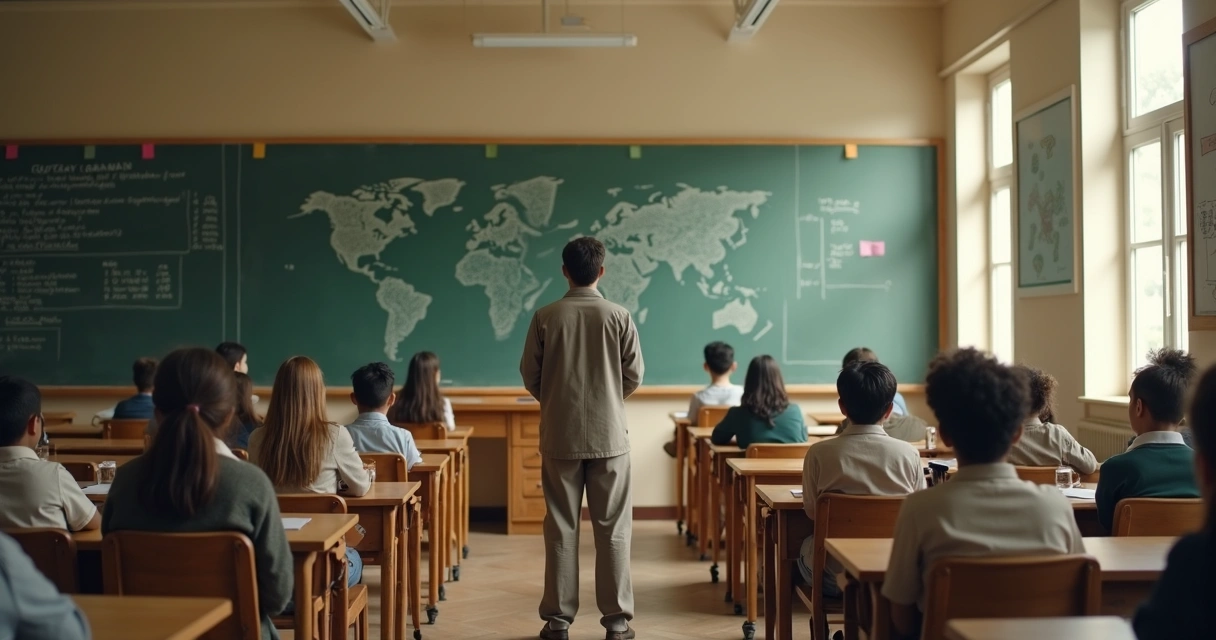
In every classroom, choices are made. Some are obvious—like what textbook to use or what lesson to teach. Others happen so quickly and quietly that few notice. Yet these subtle acts shape who belongs, who leads, and who dreams. At the core of this invisible influence lies unconscious bias.
Recognizing bias in education is the beginning of real change.
We see legacy educational models as powerful engines for both opportunity and inequality. These models carry forward attitudes, routines, and judgments from previous generations. Without careful reflection, unconscious bias hides inside systems, touching everything from discipline policies to how students are taught to see themselves. But how do we spot it? And what can we do about it?
What is unconscious bias in education?
Unconscious bias refers to the automatic attitudes or stereotypes that influence our decisions and actions without our awareness. In education, this means teachers, administrators, and curriculum designers may treat students differently based on ingrained ideas connected to race, gender, socioeconomic status, language, or ability (see Center for Educational Effectiveness at UC Davis). These blind spots are not the result of actively harmful intentions. Instead, they are learned over years within wider cultural and historical contexts.
We find that legacy systems tend to reinforce these biases because traditions are rarely questioned. Ways of organizing classrooms, selecting students for opportunities, or framing “good behavior” all shape outcomes long before we notice. Even the words used in lessons can position certain children at an advantage and others at a disadvantage.
Where unconscious bias hides in legacy education
To spot unconscious bias in older educational structures, we look at patterns that repeat. Bias rarely appears as a single act. Rather, it forms:
- In what gets valued: Which histories, languages, or cultural practices “matter” in the curriculum?
- Through discipline: Are some students disciplined more for similar behaviors as others?
- During assessment: Who is viewed as “gifted,” and who gets extra support?
- In teacher expectations: Are there lower or higher expectations for certain groups?
- Through participation: Who gets to speak and lead? Who is encouraged to shrink back?
For example, research from Harvard Graduate School of Education demonstrates that teachers with higher pro-white and anti-Black bias rates correlate with larger gaps between Black and white students in both achievement and disciplinary outcomes.
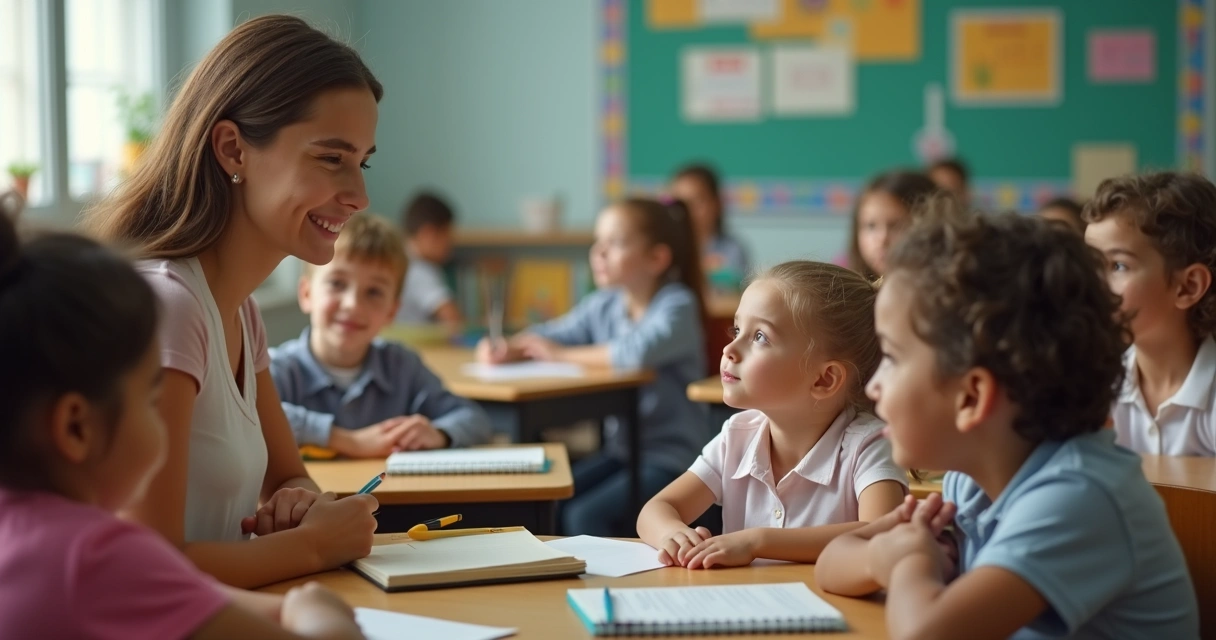
Legacy models can unintentionally send the message that success and “normalcy” look a very specific way. Students who do not match these images may feel invisible or less capable.
Practical steps to spot unconscious bias
Based on what we observe in many educational environments, there are several practical markers to help recognize hidden bias:
- Notice who is included in stories, examples, and case studies.
Do teachers’ examples reflect a wide range of backgrounds, or mostly a dominant group perspective?
- Observe discipline and praise patterns.
Are students of particular backgrounds more likely to be reprimanded or praised for similar behaviors?
- Track access to advanced opportunities.
Is there an unequal proportion of students in honors classes, leadership roles, or enrichment programs from similar backgrounds?
- Listen for language and labels.
Are some students described as “challenging” or “difficult” because of background, language, or accent?
- Reflect on invisible norms.
Are there unwritten rules about what is considered respectful, intelligent, or appropriate?
When we look closer, it becomes clear: patterns of unconscious bias are most present where systems rarely question themselves.
The impact of unconscious bias in legacy models
Unconscious bias is not just a matter of fairness. It shapes real-world results.
A Brookings analysis outlines how bias in education impacts everything from academic performance to long-term confidence and engagement, especially for historically marginalized students.
Students subjected to persistent bias internalize negative expectations and often underperform as a result. In contrast, students who see themselves reflected and affirmed in their learning environment take more risks, express themselves more fully, and show higher resilience in the face of challenge.
What seems invisible to us can be deeply visible to a child.
Even minor differences—such as who is called on to answer or how “right” and “wrong” are framed—can compound over time, forming gaps that widen with each school year.
Many educators and families notice these gaps, but may not have the language to name bias. They notice, for example, that girls are encouraged in reading and boys in sports, or that children who speak another language at home are seen as less capable in math or science. The result? Students fall into roles they did not choose.
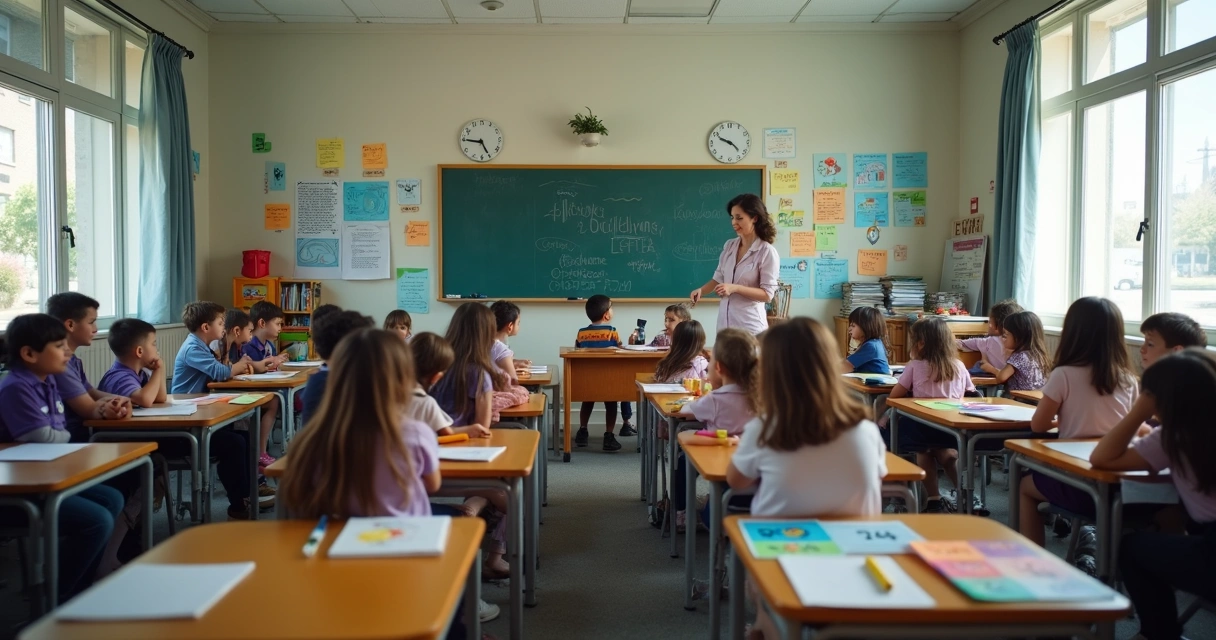
Why questioning tradition helps
We witnessed that questioning the “way it’s always been done” is sometimes uncomfortable. But it’s also necessary.By shining a light on our habits and systems, we start to recognize who benefits—and who is left behind.
Some signs of progress include schools rewriting discipline codes, adapting curriculum to include more culturally responsive materials, and offering restorative practices rather than just punishment. What stands out, however, is the power of individual awareness:
- Self-reflection practices by teachers and administrators to question their own assumptions.
- Feedback channels where families and students safely share experiences of feeling overlooked or misunderstood.
- Multiple ways of measuring success beyond just standardized tests.
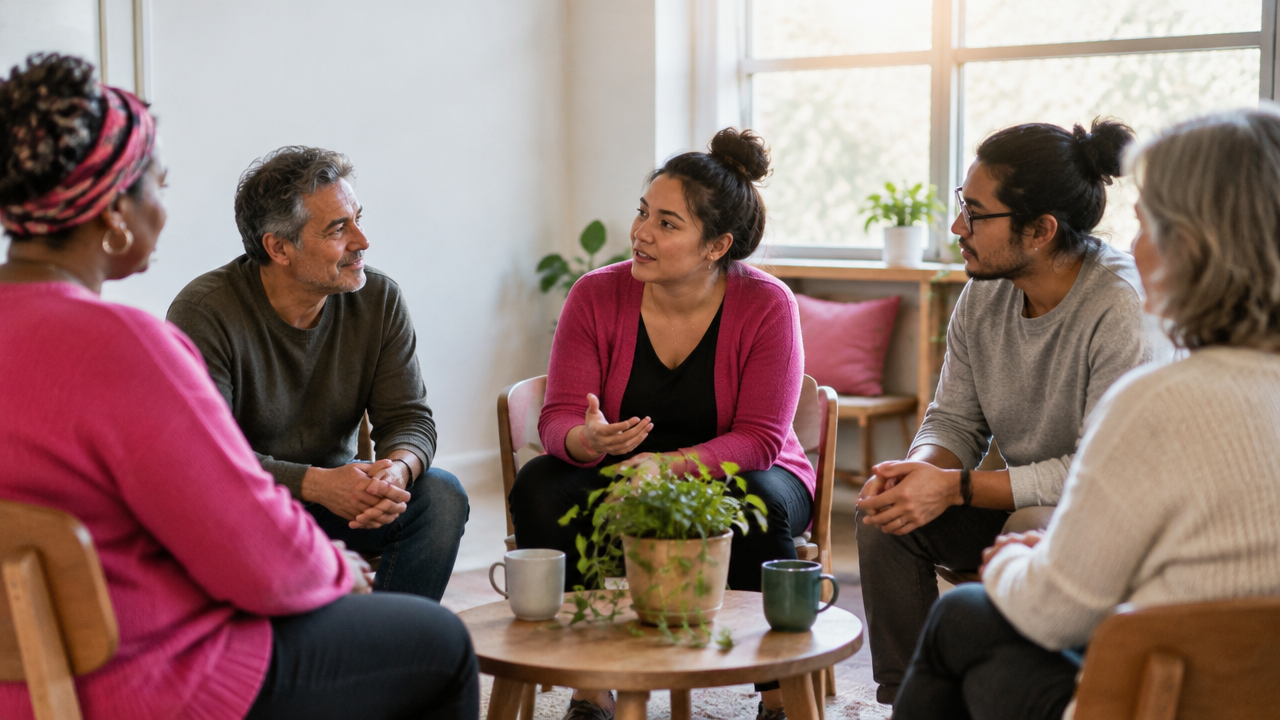
When educators recognize their own blind spots, it becomes easier to spot collective patterns. Systemic change requires more than good intentions—it starts with honest conversations.
Steps to make spotting bias easier
We think that recognizing unconscious bias in legacy educational models should always be an active, ongoing process. Here’s how we can all help:
- Support regular training focused on historical context, stereotype threat, and bias awareness for educators at every level.
- Ask, “Whose perspective is missing?” every time a policy, lesson, or activity is prepared.
- Regularly review data on discipline, achievement, and access by student background, and publicly report results.
- Value feedback from students and families with different backgrounds by creating safe, open listening processes.
- Revisit materials yearly, updating language, content, or imagery that could be unintentionally exclusive.
It’s the patterns we see in silence that most need our attention.
Conclusion
We believe every act of teaching is an act of influence. Legacy models are not inherently harmful—but failing to examine them allows unconscious bias to persist. The students in our care deserve better. If we start spotting these hidden influences in our tradition-heavy systems, we can begin building schools where every child is truly seen, heard, and valued.
Frequently asked questions
What is unconscious bias in education?
Unconscious bias in education describes the hidden attitudes or stereotypes teachers, administrators, or curriculum writers have, which affect how they treat students. These biases often happen without awareness and can impact expectations, opportunities, and discipline, shaping which students feel like they belong and which are excluded.
How to identify bias in old models?
We can identify bias in old educational models by looking for repeating patterns—such as who is represented in classroom stories, how discipline is applied, who receives praise or support, and who is offered advanced opportunities. If certain groups are consistently missing or disadvantaged, bias may be shaping those outcomes.
Why is spotting bias important?
Spotting bias is important because it helps prevent unfair patterns from repeating and allows every student the best chance to succeed. Unconscious bias can limit learning and opportunity, but by recognizing it, we can start making classrooms that support everyone.
What are signs of unconscious bias?
Signs of unconscious bias include unequal discipline for similar behaviors, differences in who is encouraged or challenged, language that reflects stereotypical assumptions, and curriculum that omits or undervalues certain backgrounds or experiences. These signs are often subtle but can have a lasting impact.
How can schools reduce unconscious bias?
Schools can reduce unconscious bias by investing in regular staff training, seeking diverse input on materials and policy, tracking data for gaps or disparities, offering clear feedback channels for students and families, and updating practices as awareness grows. Continuous self-reflection and honest dialogue are key.