
Power is an ever-present force in human relationships. It shapes our families, institutions, and societies in ways both seen and unseen. Across history, we have observed the rise and fall of groups, the falling apart of communities, and the sharp divisions between people who otherwise might share a common goal. In our experience, these splits are often blamed on ideology, resources, or leaders. Yet, beneath it all, there is something more human at play.
Every power struggle starts with emotion before it becomes policy, politics, or action.
In this article, we want to show why the roots of power and polarization go much deeper than they appear – and how recognizing these roots can offer all of us a better way forward.
The invisible currents of power
We may not notice power, but we feel it. There is a tension in a boardroom when one side wants to dominate a decision. A parent and teenager push against each other's wills in silent, daily negotiations. Large-scale debates and even national crises often begin as small, personal struggles: the wish to be heard, to belong, to feel respected. What starts in the home, or the heart, can ripple outward.
We have seen that power is not just about who is in charge. More often, it is about:
- The fear of losing control
- The anxiety of being excluded
- The hope of being seen and valued
- The pain of past injustice that lives on in memory
These forces act inside people and are echoed outside, in groups and systems.
People fight for power because they are fighting for safety – or for dignity.
The emotional engine of polarization
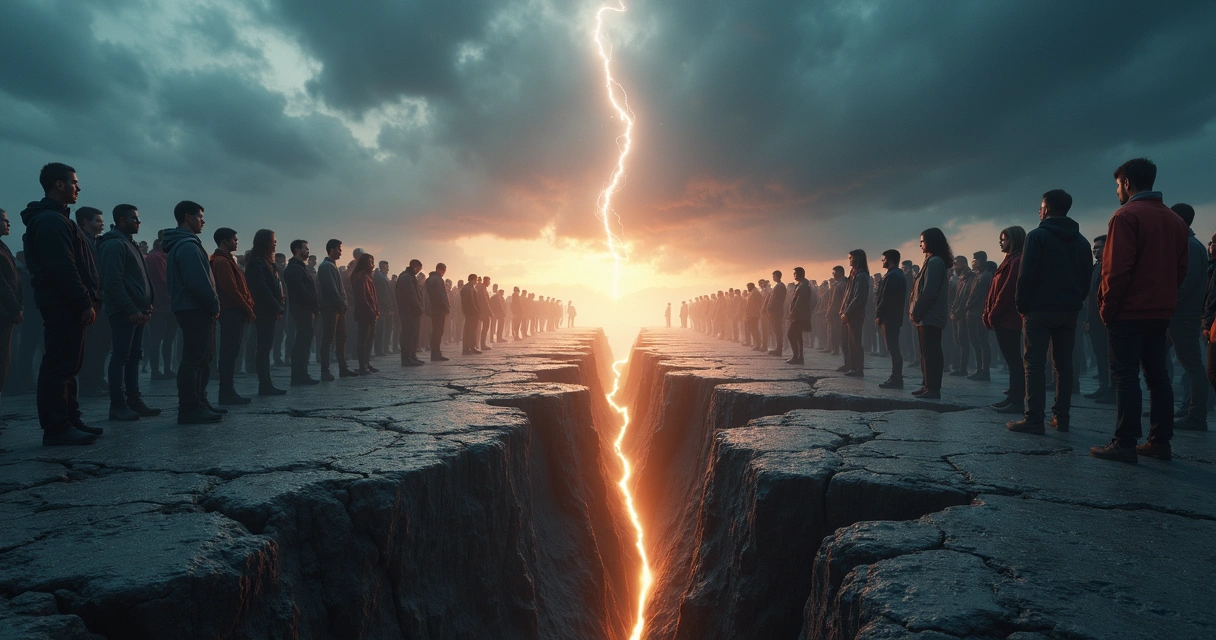
When we talk about polarization, we often picture split governments, arguments online, or communities divided along political lines. But what causes this? In our view, it is not just disagreement or difference. The emotional landscape beneath the surface makes those differences feel like threats.
Polarization thrives when emotions such as fear, shame, anger, and resentment are left unspoken but ever-present.
Here is what we frequently see fueling these divisions:
- Fear of the other: When people sense a loss of safety, the unknown becomes frightening. Differences then turn into dangers rather than interests to be discussed.
- Shame and humiliation: Feeling looked down upon pushes people to defend themselves by attacking others – or by withdrawing from constructive conversation.
- Unresolved pain: Where historic injustices, loss, or trauma live on, people cling to their narrative for protection, sometimes refusing to see others’ pain.
- Anger as energy: When powerless, people often turn to anger. It restores energy, but it also pushes others away and makes dialogue harder.
Over time, these emotions become habits. We see opponents, not neighbors. We misread intentions and exaggerate threats.
From individual wounds to group divides
One person feeling rejected or threatened rarely leads to social crisis. But when such feelings gather among many, and are reflected or amplified by leaders, polarization gains force.
In our opinion, group identity plays a special role. The wish to belong is strong. We connect with others who we feel share our wounds or fears. Unfortunately, this creates “in-groups” and “out-groups.”
This process can be seen throughout history and in our daily lives. Think back to a workplace dispute, or a rift in a community group. Usually, people line up on opposite sides not just by logic, but by loyalty and emotion.

Where wounds are not named or healed, they are transmitted between people, then groups, and finally generations.
Gradually, the collective story changes: “our loss,” “their gain,” “us versus them.” The emotional distance grows larger than the original issue ever was.
How power dynamics shape responses
Once emotional divisions set in, the way power is exercised changes. We observe power used not just for solving problems, but for managing pain or asserting worth.
When this happens, these patterns start to appear:
- Dialogue breaks down as positions harden.
- Facts become less meaningful than threats or loyalty.
- People claim moral or historical “rightness” as a shield.
- Leaders respond more to fear than vision.
In these moments, the question of “who wins?” matters less than “who feels protected or heard?” Even laws and institutions adapt not to ideas, but to the loudest or most persistent emotional demands.
Unmet needs drive the fiercest fights for power.
The way forward: building internal maturity
So, if polarization is fed by emotion, what makes change possible? In our view, it begins with maturity at the individual and group level.
Civilizations advance when their people develop the ability to feel, express, and manage their own emotions responsibly.
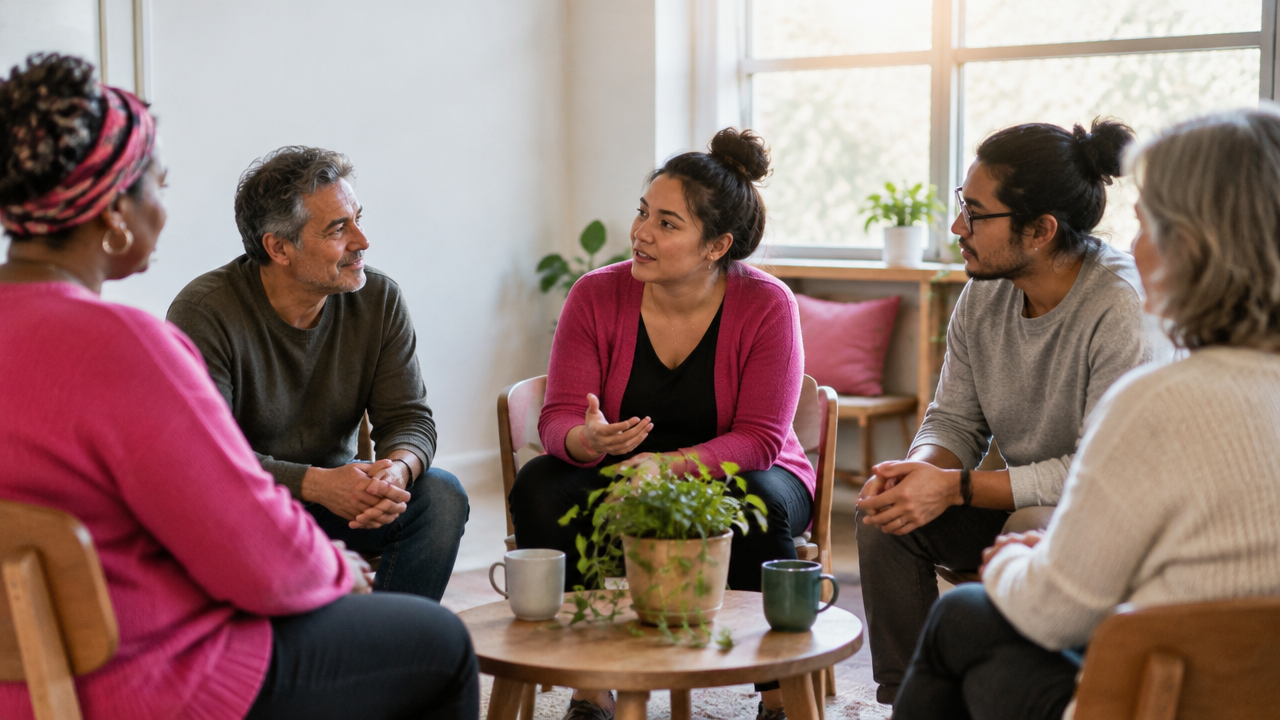
This does not mean avoiding conflict or hiding anger. Instead, it means recognizing what truly moves us, and what stories or wounds we bring into dialogue. Personal growth and collective progress are not separate: every conversation that moves from accusation to real listening is a step toward healing division.
A practical approach for individuals and groups
From our perspective, certain steps can help to reduce emotional polarization:
- Pause before reacting. Notice the feeling under the urge to argue or defend.
- Name the emotion, even privately: “I feel threatened,” or “I feel unheard.”
- Ask yourself, “Where is this emotion coming from? Is it about this moment, or something older?”
- Choose curiosity. Actively listen for the story behind the other person’s emotion.
- Stay present in discomfort. Division grows when we run from tension or rush to judge.
These actions, though simple, require courage. Over time, they make power less about control and more about shared understanding.

Conclusion: Changing the pattern together
Through our work, we have seen that breaking the cycle of emotional polarization is slow but possible. It takes groups and individuals willing to notice the real source of division: the unhealed wounds and unmet needs that give conflict its fuel.
By building emotional maturity and encouraging honest, respectful dialogue, we collectively move toward healthier power dynamics. We stop seeing the “other” as an enemy, and start seeing everyone as part of a shared journey. Even in times of conflict, we can choose the path of understanding instead of separation. This is the true root of lasting change.
Frequently asked questions
What are power dynamics in society?
Power dynamics refer to the ways that control, influence, and authority are shared and exercised among people and groups in society. They shape how decisions are made, who gets heard, and who feels secure or excluded in communities, workplaces, families, and nations.
How do emotions drive polarization?
Emotions such as fear, anger, shame, and resentment make disagreements feel personal and threatening, making people less able to work together or find common ground. When these emotions are not acknowledged, they can lead to strong divisions, as people react to protect themselves rather than to listen or collaborate.
Why do people become so divided?
People become divided when emotional needs are not met, such as the need for belonging, respect, or justice. Shared pain or fear within a group can deepen divides by creating “us versus them” mindsets, turning differences into barriers instead of connections.
How can I reduce polarization around me?
You can help reduce polarization by pausing before reacting, naming your own emotions, listening actively to others, and showing curiosity instead of judgment. Creating space for open and respectful dialogue helps others feel safe enough to lower their defenses and consider new perspectives.
Is polarization always caused by emotions?
Emotions are a main driver of polarization, but economic pressures, cultural differences, and historic events also play roles. However, unresolved feelings often intensify or prolong divisions that might otherwise be solved through communication or compromise.